Few phrases in the automotive world carry as much weight or dread as a blown head gasket. At our shop, we understand why. It sounds expensive, complicated, and like the kind of news that ruins a perfectly good weekend. Catching a head gasket issue early is the difference between a successful repair and needing a completely new engine. To keep your car healthy, you need to understand exactly what this component does and how to spot the red flags before your engine decides to call it quits.
The head gasket is a critical seal that sits between the engine block and the cylinder head. Think of it as a high-stakes peacekeeper. It has to keep three very different things separate. the high-pressure combustion gases in the cylinders, the oil that lubricates the moving parts, and the coolant that keeps everything from melting. When that seal fails, those three worlds collide, and that is where the real trouble starts.
Oil and Coolant Mixing
One of the most classic signs of a failed head gasket is the contamination of your engine oil with coolant. This creates a substance that we often refer to in the shop as the forbidden milkshake. Since oil and water do not naturally mix, they form a thick, creamy, light brown or tan emulsion that looks exactly like a chocolate shake.
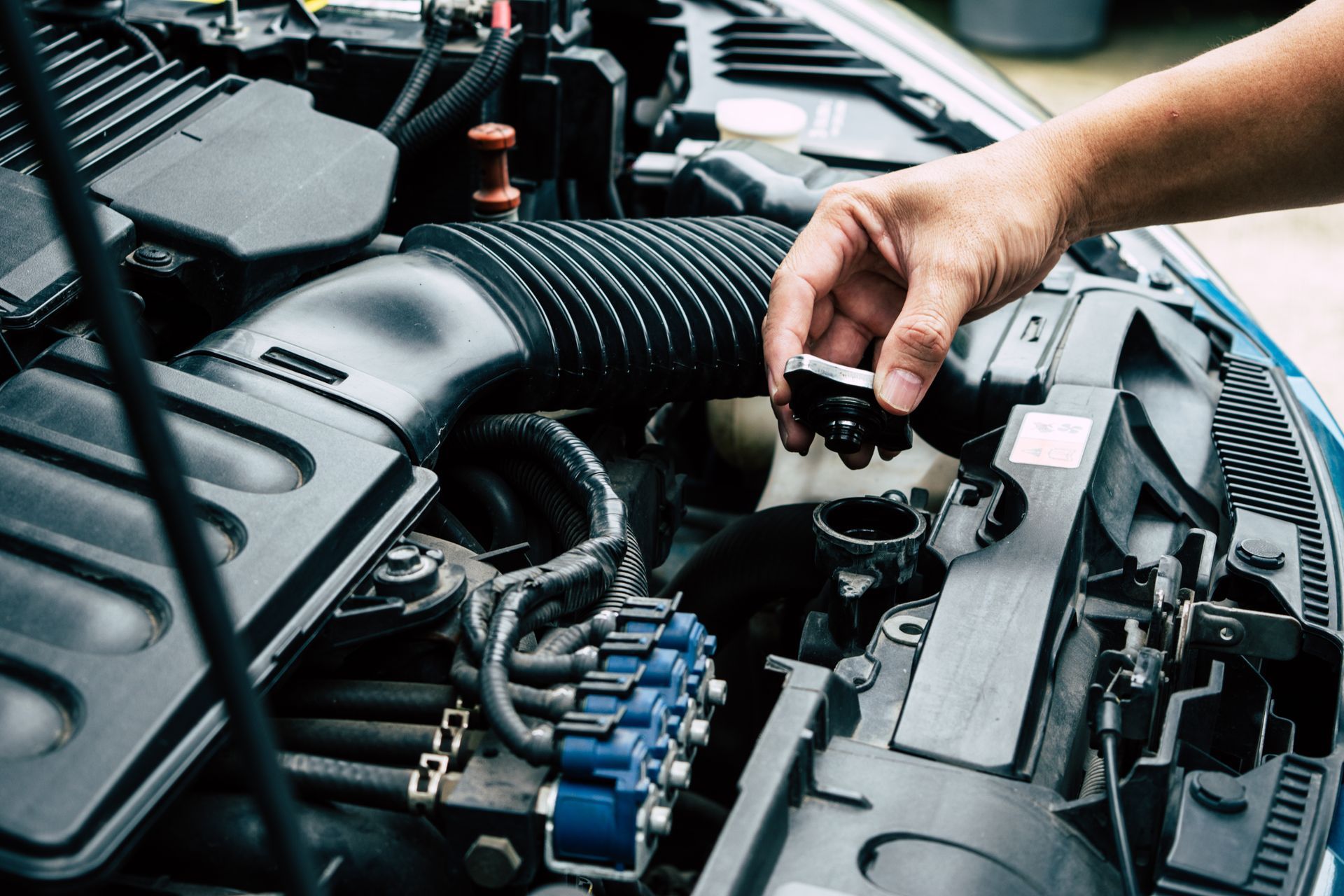
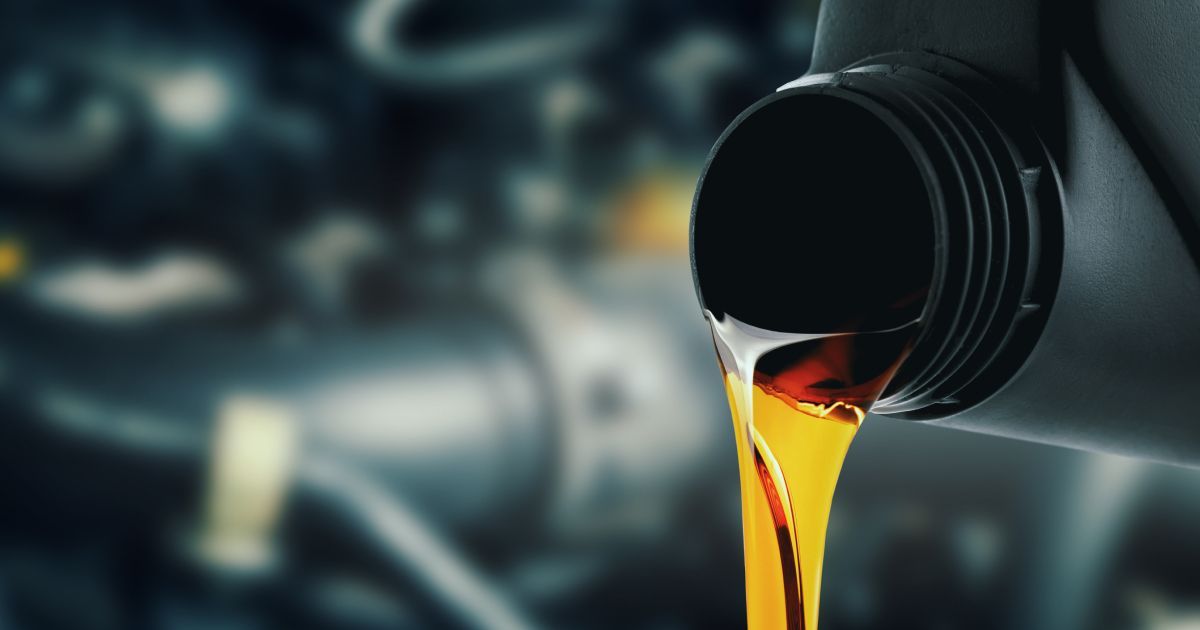
If you want to check for this at home, wait for your engine to cool down and pull the oil dipstick. If the oil looks like clean amber or dark black liquid, you are likely in the clear. But if you see a frothy, opaque tan goop on the stick, you have a major problem. You can also check the underside of your oil fill cap. Sometimes a little bit of white residue is just normal condensation from short trips, but a heavy coating of tan sludge usually means coolant is leaking into the oil passages.
White Smoke and Sweet Smells
When the head gasket fails in a way that allows coolant to leak directly into the combustion chamber, your engine will literally try to burn the antifreeze. This produces very specific symptoms that you can spot from the driver's seat or by looking in your rearview mirror.
Billowing White Exhaust: We are not talking about the little puff of steam you see on a cold morning. A blown head gasket will produce thick, persistent clouds of white smoke that linger in the air even after the engine is warm.
The Sweet Scent of Trouble: Modern coolant has a distinct, sugary smell. If you step out of your car and it smells like a candy factory is burning nearby, that is a sign that coolant is being vaporized on hot engine components or inside the cylinders.
Rapid Coolant Loss: If you find yourself topping off your overflow reservoir every few days but you do not see a puddle of green or orange fluid on your driveway, the engine is likely drinking it.
Bubbles in the System and Overheating
Another way a head gasket fails is by letting high-pressure combustion gases leak into the cooling system. This turns your radiator into a giant bottle of soda. As the engine runs, air is forced into the coolant lines, creating massive air pockets that prevent the fluid from circulating.
You might notice your temperature gauge spiking into the red within minutes of starting your drive. In some cases, you can actually see bubbles rising in the coolant overflow tank while the engine is running. If the pressure gets high enough, it can even blow a radiator hose right off its fitting or cause the radiator itself to crack. This is a high-pressure situation that requires immediate attention before the cylinder head warps from the extreme heat.
Why You Cannot Wait to Fix It
Driving with a blown head gasket is like walking on a broken ankle. It might be possible for a mile or two, but you are causing massive collateral damage with every step. When coolant mixes with oil, it destroys the oil's ability to lubricate your bearings. Without proper lubrication, your engine will essentially eat itself from the inside out in a matter of hours. Furthermore, the extreme heat from localized hot spots can warp the metal surfaces of the engine, making a simple gasket replacement impossible.
Let Us Perform a Professional Test
If you suspect your car is showing any of these symptoms, do not panic, but do not delay. At EURO Specialist, we have specialized chemical tests and pressure gauges that can confirm a head gasket failure in minutes.
Our team is here to give you an honest assessment of your engine's health. We will walk you through the results, show you exactly what we found, and help you decide on the best path forward for your vehicle. We look forward to getting you back on the road with a car you can actually trust.